Independently reviewed · Not sponsored or gifted
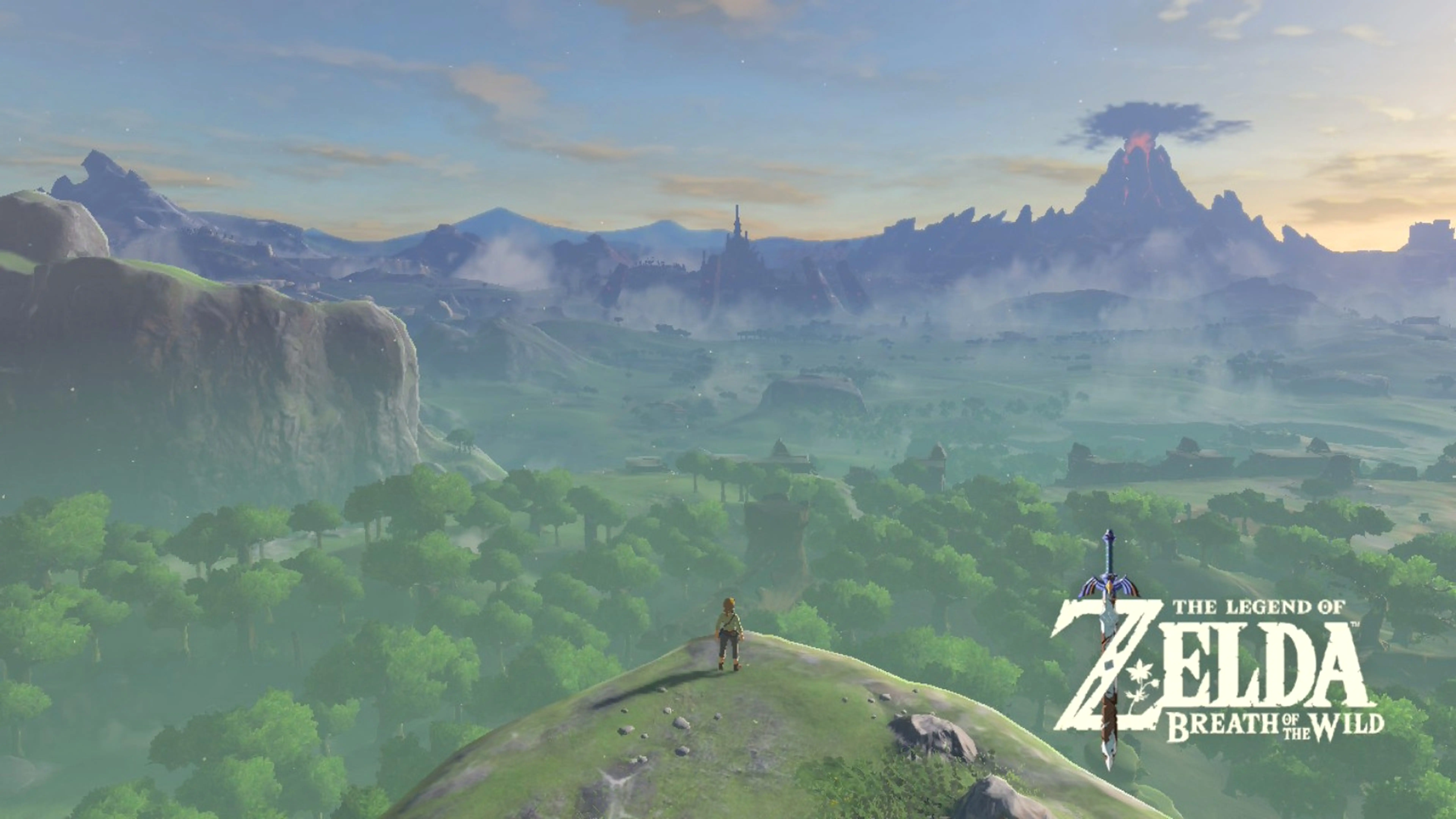
The Legend of Zelda: Breath of the Wild is more than an open-world adventure. It is a game built around freedom, curiosity, creativity, and the joy of discovering something unexpected. From the moment Link steps out into the enormous kingdom of Hyrule, the game encourages you to look toward the horizon and choose your own path.
You can follow the main story, search for shrines, climb distant mountains, gather ingredients, tame horses, solve puzzles, hunt for treasure, help strangers, or simply wander through the wilderness. There is always something waiting beyond the next hill, and that sense of possibility makes the adventure feel personal.
A world that rewards curiosity
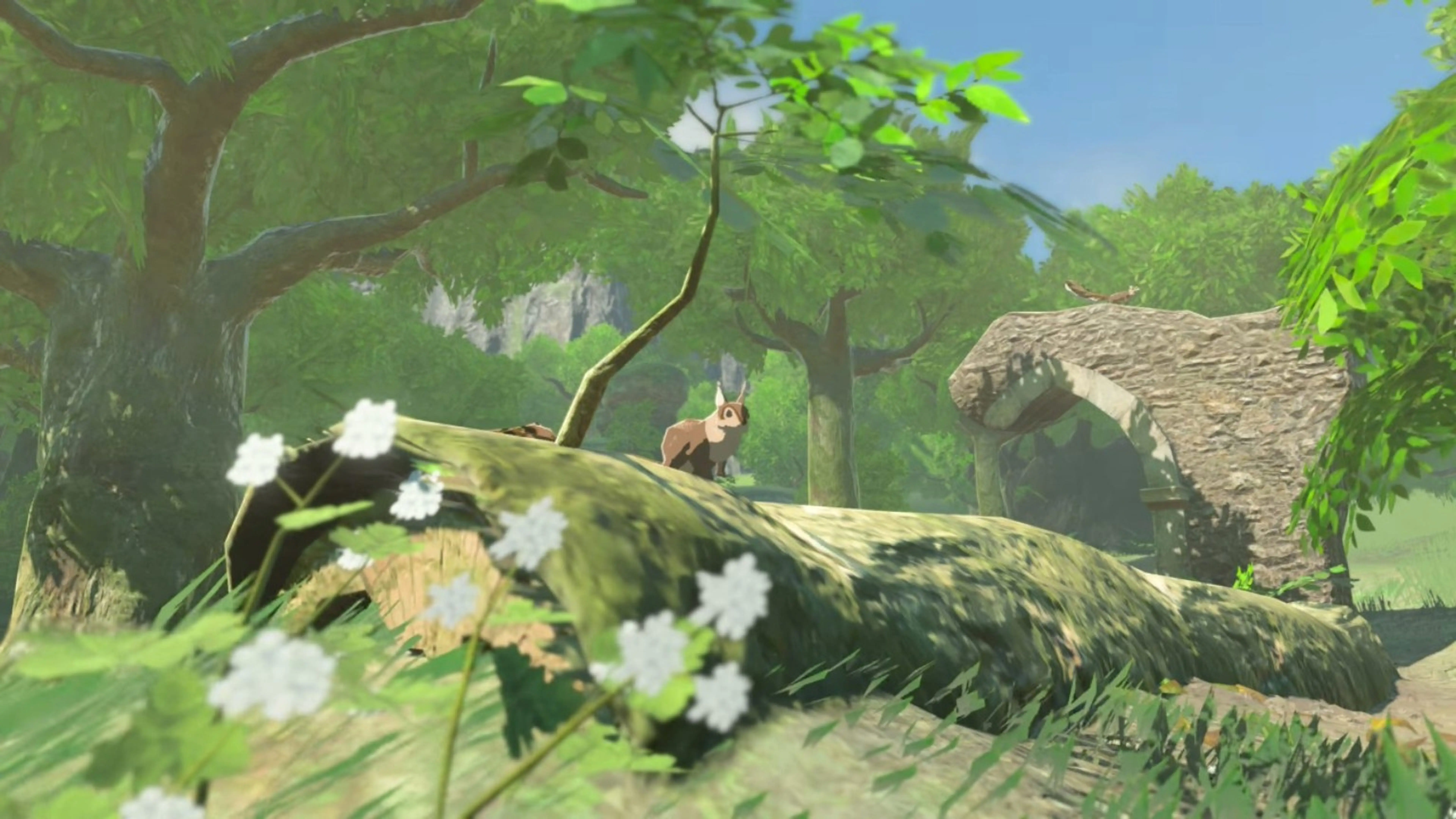
Hyrule is absolutely beautiful. Its forests, mountains, rivers, deserts, villages, ruins, and snowy peaks each feel distinct without seeming disconnected from the larger world. Some of my favorite moments were not major battles or story events. They were quieter moments: watching the sun rise from a mountaintop, discovering an animal hidden in the woods, finding a secret path, cooking beside a fire, or noticing an unusual landmark and deciding to investigate it.
The game rarely tells you exactly where to go or how to reach your destination. Instead, it gives you tools and trusts you to experiment. If you can see a mountain, you can usually climb it. If a puzzle looks impossible, there may be several ways to solve it. If enemies seem too powerful, you might sneak past them, attack from above, use the environment, or return later with better equipment.
Exploration and survival
Exploration is the heart of Breath of the Wild, but the world is not always gentle. Link must manage stamina, changing temperatures, severe weather, limited resources, and dangerous enemies. Rain makes cliffs slippery. Cold areas require warm clothing, food, or elixirs. The desert may require protection from heat during the day and cold at night. Thunderstorms make metal equipment dangerous because it can attract lightning.
These systems can occasionally feel frustrating, especially during the beginning of the game, but they also make the world feel alive. Hyrule is not merely a beautiful background—it actively affects how you travel and survive. Preparing meals and choosing the right equipment can completely change an expedition.
Combat that encourages creativity
Combat is approachable enough for new players while offering plenty of depth for anyone who enjoys timing and strategy. You can dodge at the perfect moment to trigger a Flurry Rush, parry attacks with a shield, fire arrows from the air in slow motion, sneak up on sleeping enemies, or use elemental weapons to create useful reactions.
Weapons eventually break, which may be one of the game's most divisive features. At first, I wanted to save every strong weapon for the “right” moment. Over time, I began treating weapons as temporary tools instead of permanent collectibles. The durability system encourages experimentation, scavenging, and adapting when a favorite sword suddenly breaks. I understand why some players dislike it, but it fits the game's focus on survival and improvisation.
Shrines, puzzles, and discovery
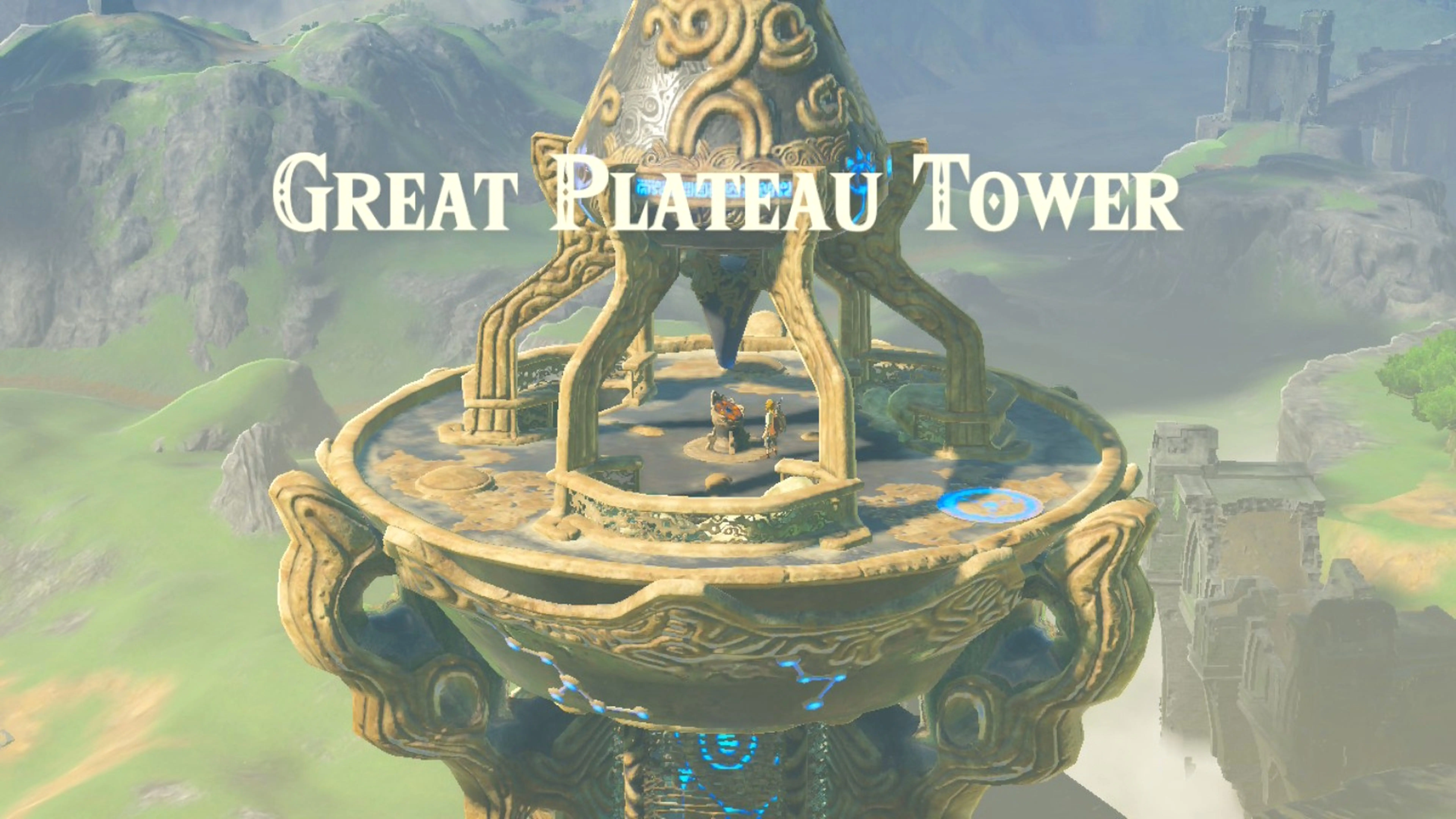
Shrines are scattered throughout Hyrule and contain puzzles, combat challenges, or environmental tests. Completing them rewards Link with Spirit Orbs that can eventually be exchanged for additional hearts or stamina. I especially enjoy that many puzzles allow more than one solution.
The experience feels less like the game is asking, “Can you find the one answer we intended?” and more like it is asking, “What can you create with the tools you have?” That approach makes experimentation feel rewarding rather than punishing.
Story and atmosphere
The story is emotional without constantly interrupting exploration. Much of Hyrule's history is uncovered gradually through conversations, memories, ruins, journals, and environmental details. Because the story is not delivered in a strictly linear order, it feels as though you are rebuilding Link's connection to the world alongside him.
The music supports this beautifully. Instead of filling every moment with a large orchestral score, the game often uses gentle piano notes, environmental sounds, and subtle themes. The quieter soundtrack gives the world room to breathe and makes its dramatic moments more powerful.
What I loved
- 🗺️ A breathtaking open world filled with meaningful discoveries
- 🧭 Freedom to explore and complete objectives in different ways
- ✨ Creative physics, environmental, and elemental systems
- 🌿 Beautiful scenery and peaceful atmospheric moments
- 🧩 Clever shrines and puzzles with flexible solutions
- ⚔️ Combat that rewards timing, creativity, and preparation
Possible frustrations
- 💥 Weapons, bows, and shields eventually break
- 🌧️ Climbing becomes difficult during rain
- 🗺️ The enormous world may initially feel overwhelming
- 🎒 Inventory space is limited until more slots are unlocked
- 👹 Powerful enemies can defeat an unprepared player quickly
Breath of the Wild earns a full 5/5 from me. Whether I was solving a shrine, climbing toward a beautiful view, gathering ingredients, feeding a stable dog, or becoming distracted by something glowing in the distance, I always felt as though the adventure belonged to me. Hyrule is a world meant to be explored, not rushed.