
Some days we conquer kingdoms. Other days, simply taking care of ourselves is the biggest quest of all.
Welcome back to Mindful Monday, my lovely adventurers! 🌸🐉
Today, I want to talk about two things I've been working on in my own life: creating softer, more flexible daily plans and building a healthier relationship with food.
At first, these might sound like completely different topics. But I've realized they have something important in common. Both are about learning to work with my body, making small choices that support my future self, and remembering that progress doesn't have to look perfect to matter.
🌷 Part One: Soft Planning, Dopamine & Celebrating Small Wins
What if your daily planner wasn't another source of pressure?
I've always loved the idea of planning my day. I love lists, schedules, organizing, and seeing everything laid out in front of me. But living with chronic illness, pain, and fluctuating energy has taught me that even the best plans don't always happen the way we expect.
Some days I have plenty of motivation. Other days, getting started feels like climbing a mountain. And sometimes, my body simply needs something different from what I originally planned.
That's why I've started embracing something I call soft planning.
I begin with a few things I already know need to happen. These are examples from my own day.
- 💊 5:00 AM — Morning medications
- 💊 6:30 AM — Scheduled medications
- 📅 Any appointments or time-sensitive responsibilities
These become my daily anchors. I leave the space between them open for life to happen.
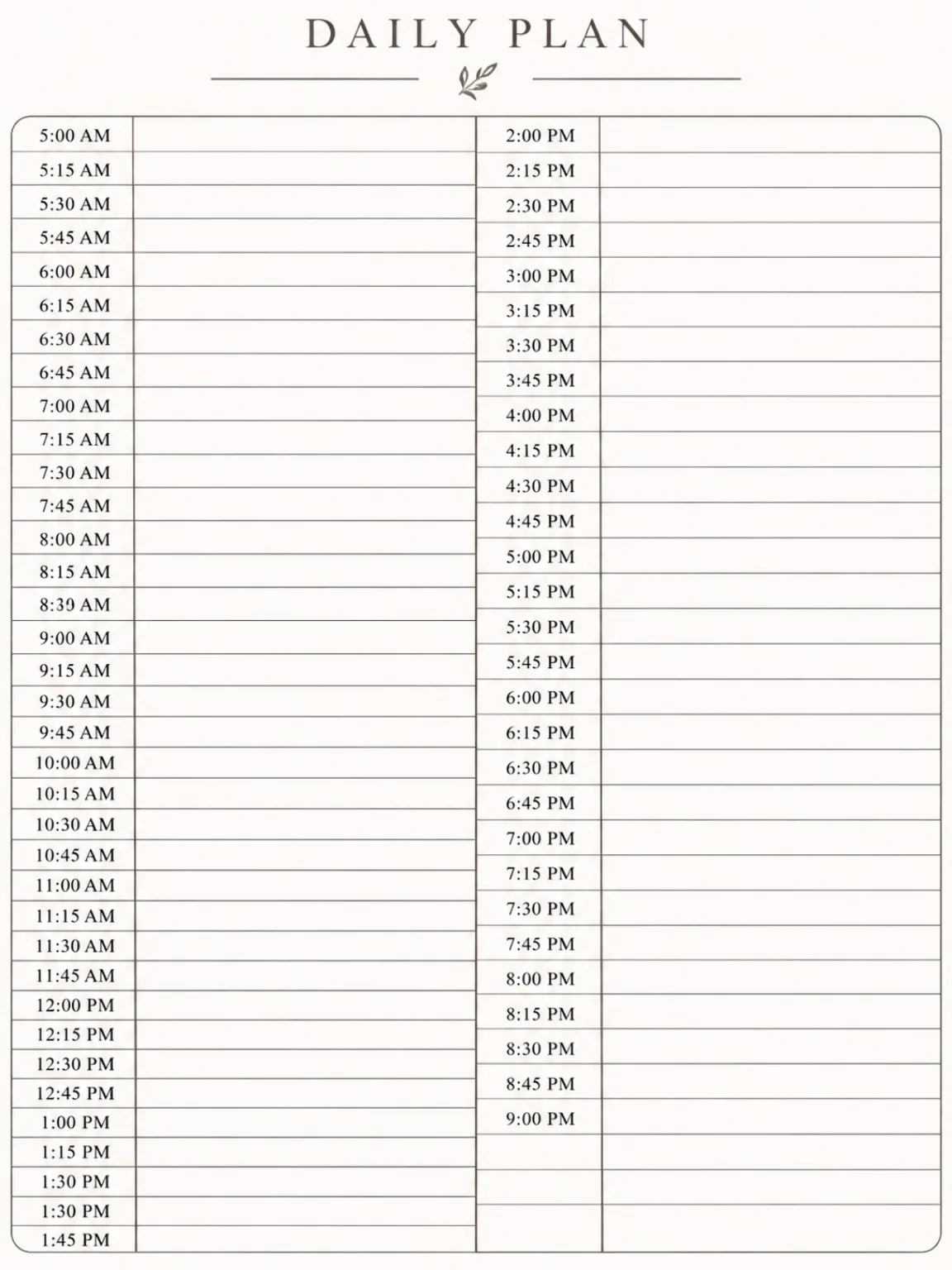
As the day progresses, I write down the things I've actually accomplished. Maybe I brushed my teeth. Maybe I showered. Maybe I made breakfast. Maybe I worked on my website, read a few pages, or spent some time doing something creative.
And yes, sometimes I write down something after I've already finished it just so I can check it off! Because those things count, too.
💜 Why I love adding accomplishments to my planner
On difficult days, a traditional to-do list can become a reminder of everything I didn't finish. A soft plan gives me a record of everything I managed to do. That change in perspective has been incredibly meaningful for me.
I can feel accomplished after taking medication, caring for my hygiene, preparing food, resting when I need to, or doing something I enjoy. Even rest can be an intentional accomplishment.
🧠 What does dopamine actually have to do with this?
I've become really interested in the relationship between dopamine, motivation, rewards, and completing tasks. Dopamine is a neurotransmitter involved in movement, motivation, and reinforcement learning.
Some dopamine neurons respond to the difference between an expected reward and what actually happens. That signal can help an animal learn what to expect next time. The classic study by Schultz et al. (1997) examined this in monkeys. Dopamine in certain brain circuits is also involved in how much effort an animal will expend to pursue a goal (Salamone & Correa, 2012).
When I check something off my planner, I'm giving myself a visible reminder that I've moved forward. That feels good. A daily checkmark records what I did. Those studies didn't measure dopamine responses to checking off everyday tasks.
🌿 The psychology of unfinished tasks
The Zeigarnik effect refers to the idea that interrupted tasks may be easier to remember than completed ones. A recent meta-analysis found no reliable overall memory advantage for unfinished tasks, although people did tend to resume them more readily (Ghibellini & Meier, 2025).
What I find useful is noticing how unfinished responsibilities can occupy my attention. When I write them down, I have somewhere to look instead of trying to remember them all. Masicampo and Baumeister (2011) found that forming specific plans reduced some intrusive effects of unfinished goals in their studies. For me, making one realistic next-step plan can help me set a task aside for now.
When I document what I've completed, I can also see that my day wasn't empty simply because I didn't finish everything I planned.
🐾 My favorite ways to support motivation
Dopamine is one part of a complicated system. I choose activities that feel manageable or enjoyable for me that day.
- 🌞 Get some daylight. Spend a little time outdoors or near natural light when possible. Light helps set the body's internal clock.
- 🎶 Listen to music. Play a favorite song while getting ready, organizing, or doing something creative. Researchers observed activity in dopamine-related reward processes when participants listened to music they found intensely pleasurable (Salimpoor et al., 2011).
- 🎨 Make something. I like coloring, card making, journaling, or taking a photo when I want a little creative time.
- 🎮 Enjoy a cozy gaming quest. Complete a small in-game goal, decorate a space, or simply explore somewhere beautiful.
- 🚶 Move in ways that work for your body. Physical activity can support mood and health. Seated movement counts. Some days I need to rest or follow restrictions from my care team.
- 📚 Learn something new. Read a few pages, explore a hobby, or practice a new skill.
- 💜 Celebrate small victories. Use checkmarks, stickers, photographs, or a simple written note to recognize your progress.
- 🌙 Protect rest and sleep. Getting enough sleep supports attention and helps us manage emotions.
None of these activities needs to become another obligation. I want more opportunities for meaningful, manageable moments.
Further reading from CDC/NIOSH on light and circadian rhythms, CDC on physical activity and brain health, and NIH on sleep and health.
🌸 My soft-planning challenge for you
Try beginning your day with only your essential responsibilities. Leave some space open. As you accomplish things, add them to your planner. At the end of the day, take a moment to look at what you did. And remember, your worth isn't measured by the number of boxes you check.
🥗 Part Two: Nourishing New Beginnings — Making Healthier Food Goals as an Adult
It's never too late to try something new
The second part of this week's Mindful Monday is about another personal project I've been working on: making healthier food choices and trying new things. I want to find foods that nourish me, work for my body, and fit into my actual life. There's room for curiosity and enjoyment in that.
As an adult, I've learned that changing food habits can be surprisingly challenging. We develop routines. We get comfortable with familiar meals, flavors, and textures. Sometimes I catch myself assuming I already know how I'll feel about an ingredient. What if I gave myself permission to explore?
🍓 Learning to try new foods again
One of my goals is to become more open to different foods, combinations, ingredients, and recipes. I want more variety and meals I genuinely enjoy that also fit my nutritional needs. I want healthier choices to feel exciting and manageable.
That might mean trying a vegetable prepared differently, experimenting with a new seasoning, or making a familiar meal with a different ingredient. It might also mean realizing I don't like something. And that's okay! The fact that I tried it counts.
🧠 How food habits connect to mental wellness
Our eating habits are influenced by more than hunger. Stress, routines, accessibility, preferences, emotions, and our environments can all affect food choices. Lally et al. (2010) found that repeating behaviors in a consistent context could gradually make them feel more automatic. The time that took varied widely.
I'm focusing on small changes. I might plan one new recipe, prepare a few ingredients ahead of time, or keep convenient options available. Sometimes it simply means making sure I have something I enjoy that also helps me meet my nutritional needs.
In the small, 12-week SMILES randomized trial, adults with major depression and poor baseline diets who received structured dietary support had greater improvement in depressive symptoms than the social-support comparison group (Jacka et al., 2017). The study examined a specific intervention in a specific group. For me, nutrition is one part of a bigger picture that can include therapy, medication, social support, sleep, and other care.
💪 How food goals support physical wellness
Food supplies energy and nutrients. Protein helps maintain and repair tissues, and different foods supply different nutrients. That's one reason variety matters to me. MedlinePlus: Protein in diet
For my own planning, I'm focusing on finding satisfying, protein-conscious meals and snacks that fit my individual health needs. People have different medical histories, dietary restrictions, preferences, budgets, and access to food. A meal plan that works beautifully for one person may need adjustment for someone else. I want to build habits I can keep using when my needs and energy change.
🛒 Why I'm creating a meal plan and grocery list
One of the biggest challenges with making healthier food choices is the amount of planning involved.
What should we eat? What ingredients do we need? Do we already have something in the pantry? How much energy will cooking take today?
By creating a weekly meal plan and matching grocery list, I'm hoping to make some of those decisions easier. A large cross-sectional study of French adults found that meal planning was associated with more dietary variety and higher diet quality. Because the study was observational, it couldn't establish whether planning caused those differences (Ducrot et al., 2017).
For me, the goal is simply to make eating well a little more manageable.
🌷 My flexible food goals
- Try new foods and recipes without pressuring myself to like everything.
- Find protein-conscious meals that fit my personal nutritional needs.
- Plan meals and snacks so I have convenient choices available.
- Make grocery shopping more organized.
- Make room for changes in energy, pain, appetite, or schedule.
- Find enjoyment in preparing and sharing food.
- Remember that one meal doesn't determine my overall health.
I also want to celebrate the little discoveries. Finding a new favorite snack? That's a win. Trying a vegetable in a new recipe? That's a win. Making a simple meal when I don't have much energy? Absolutely a win. And when life happens and I change the plan, I get to practice being flexible.
📋 My weekly meal plan and grocery list
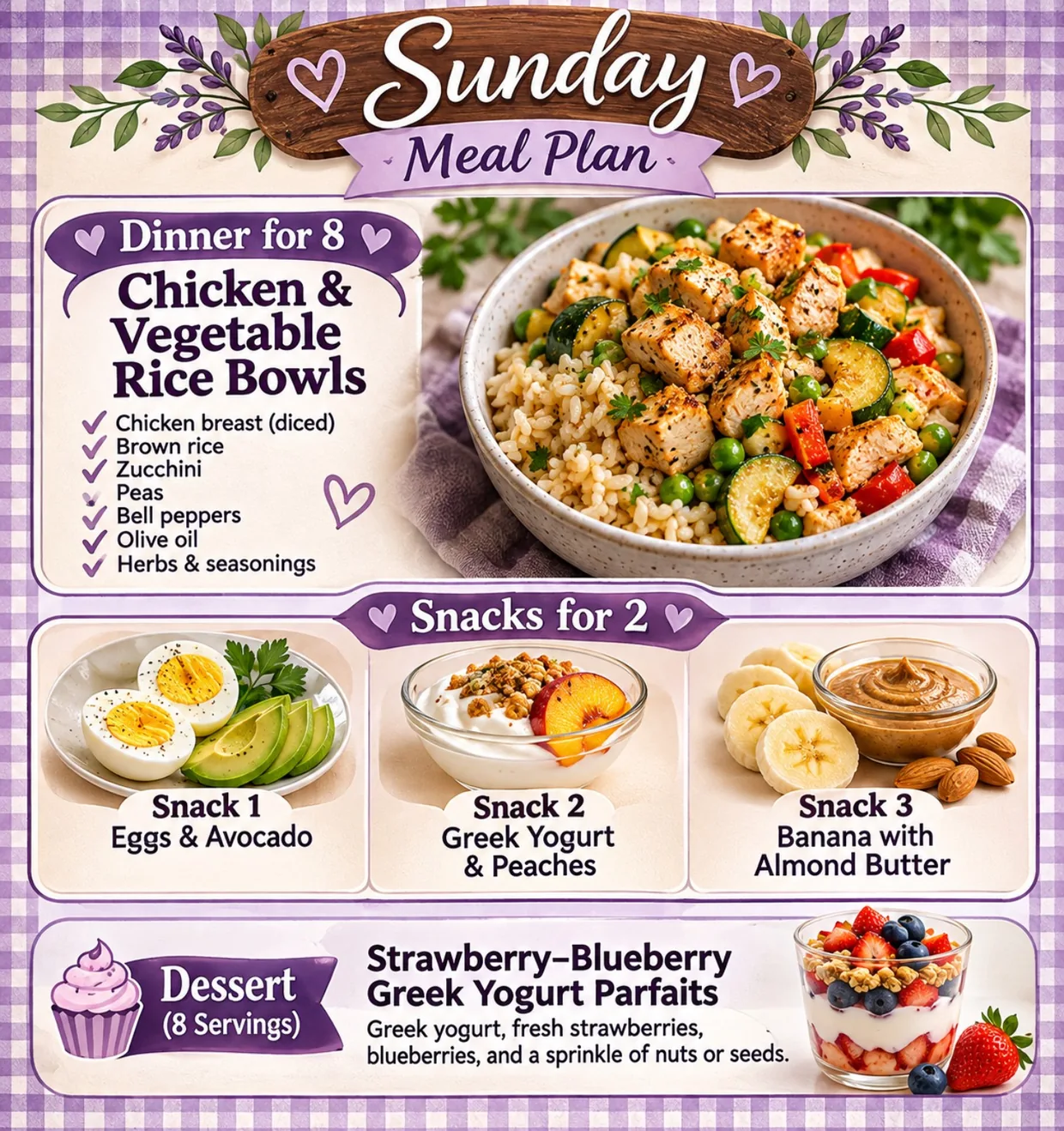
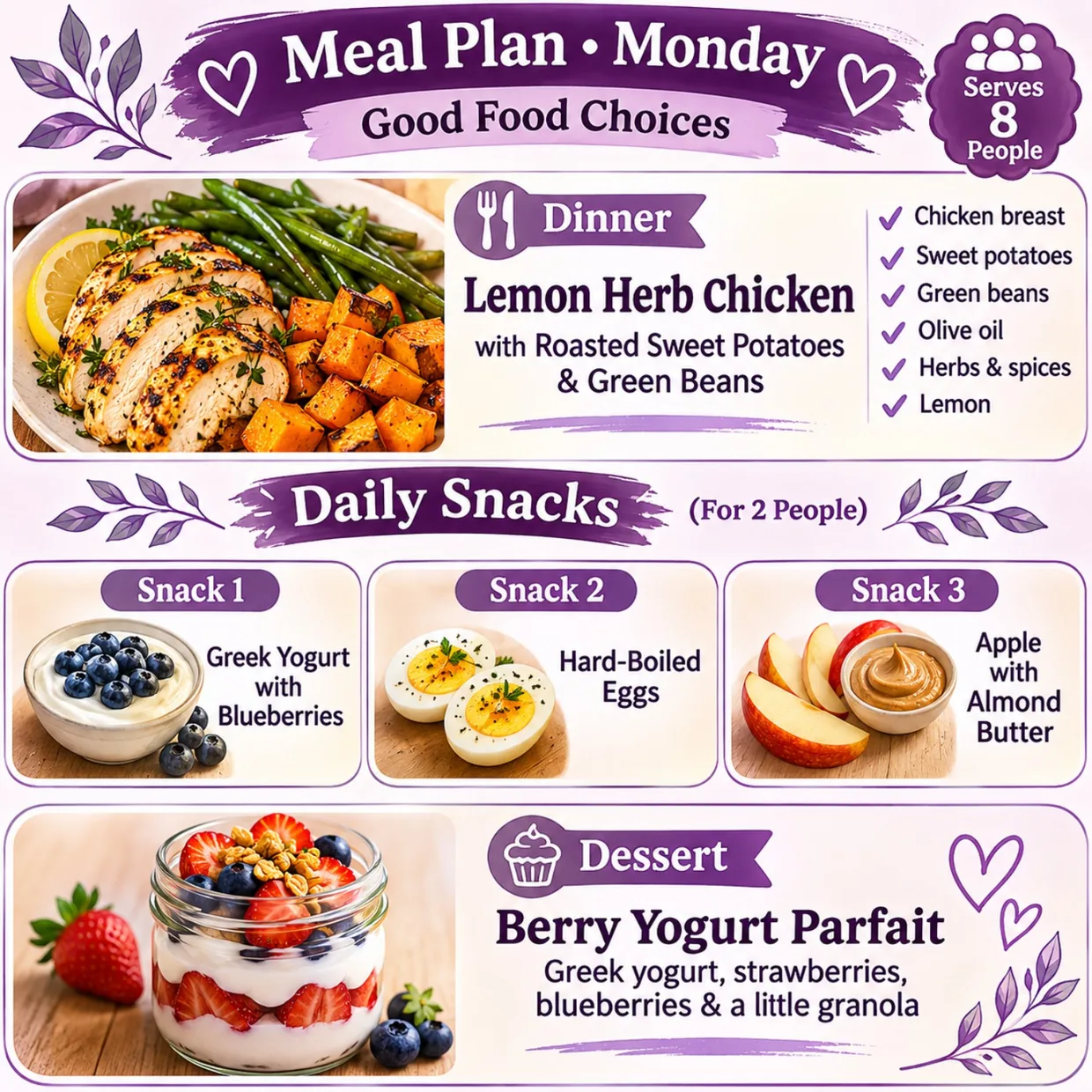
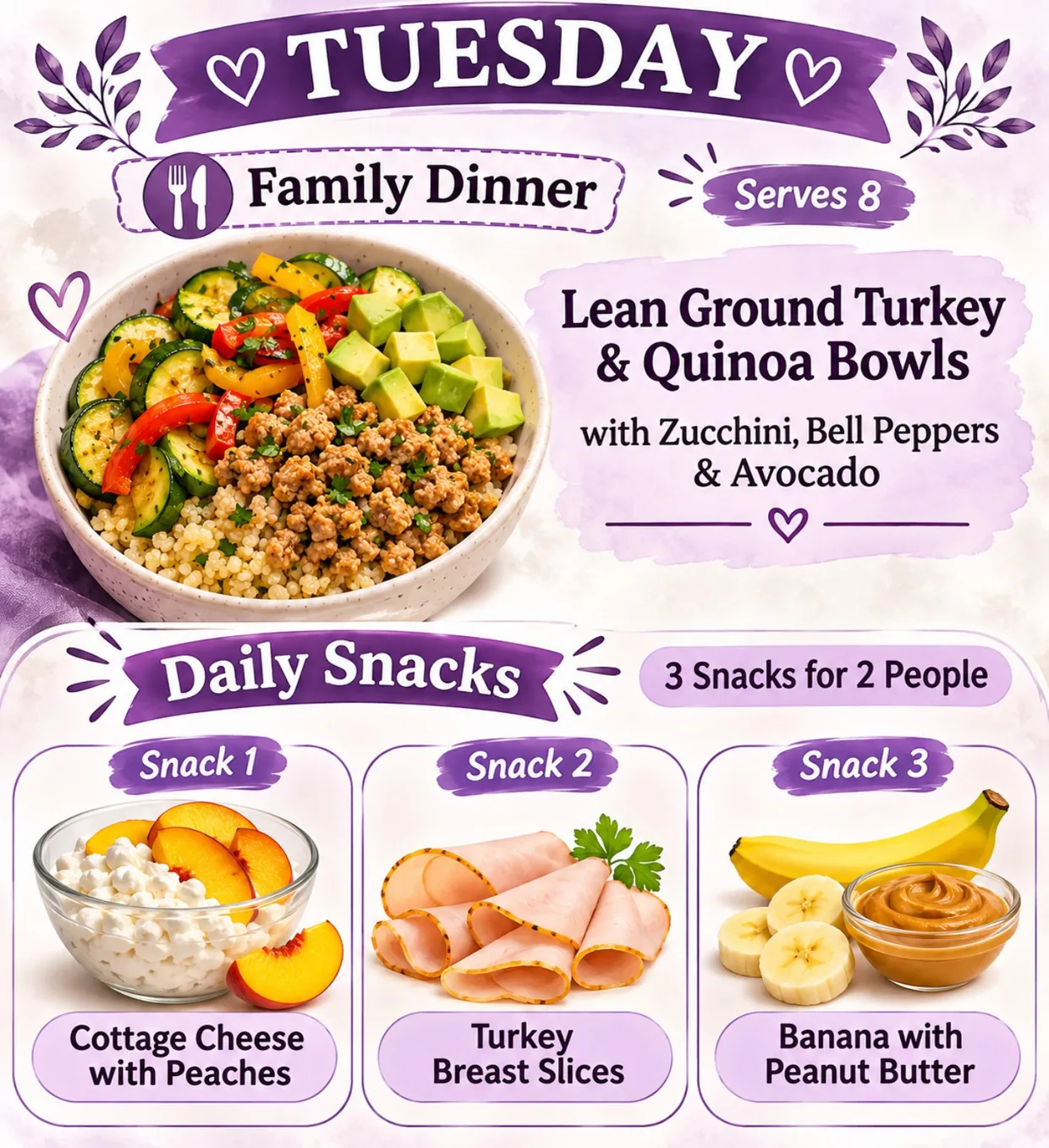
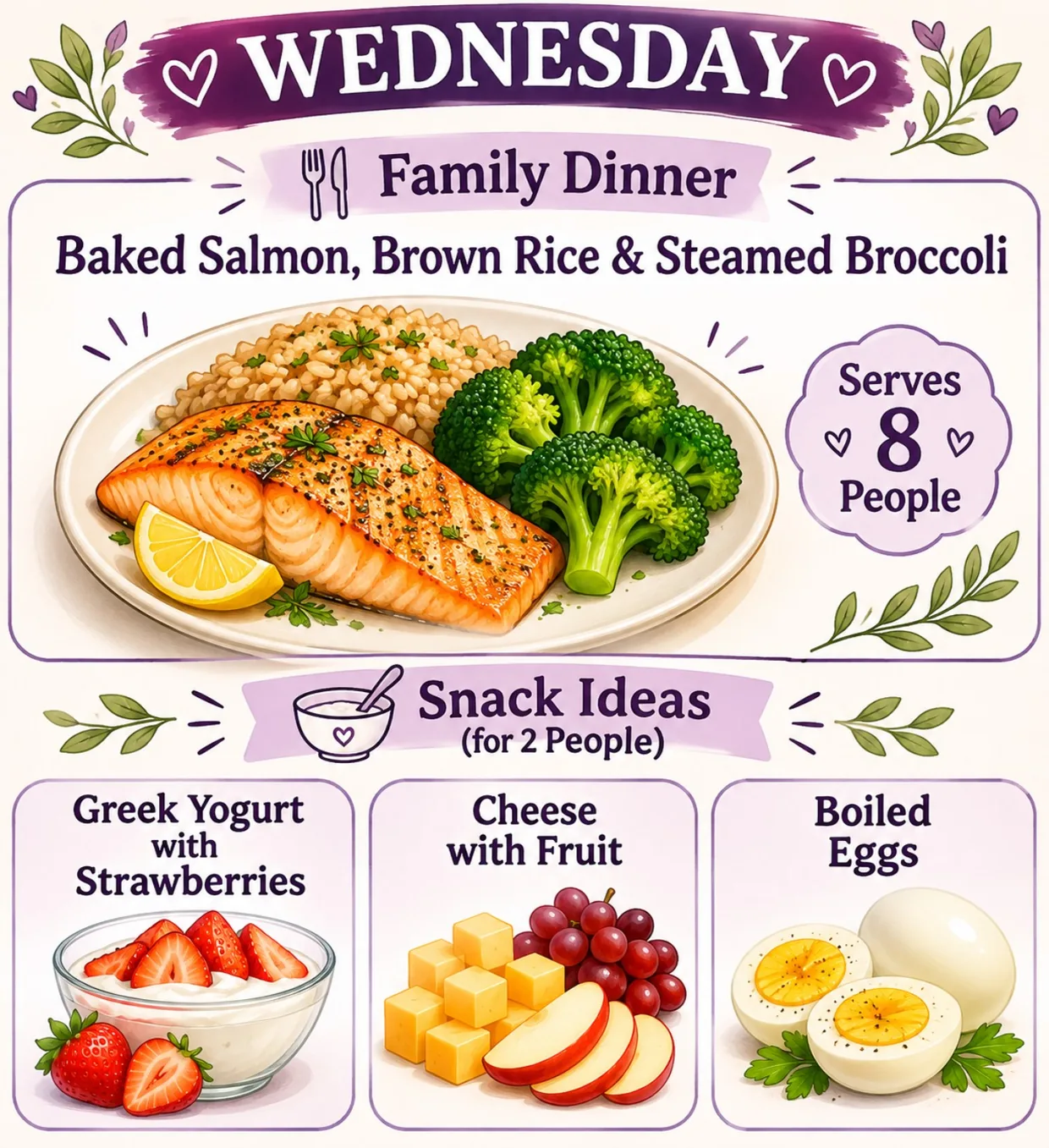
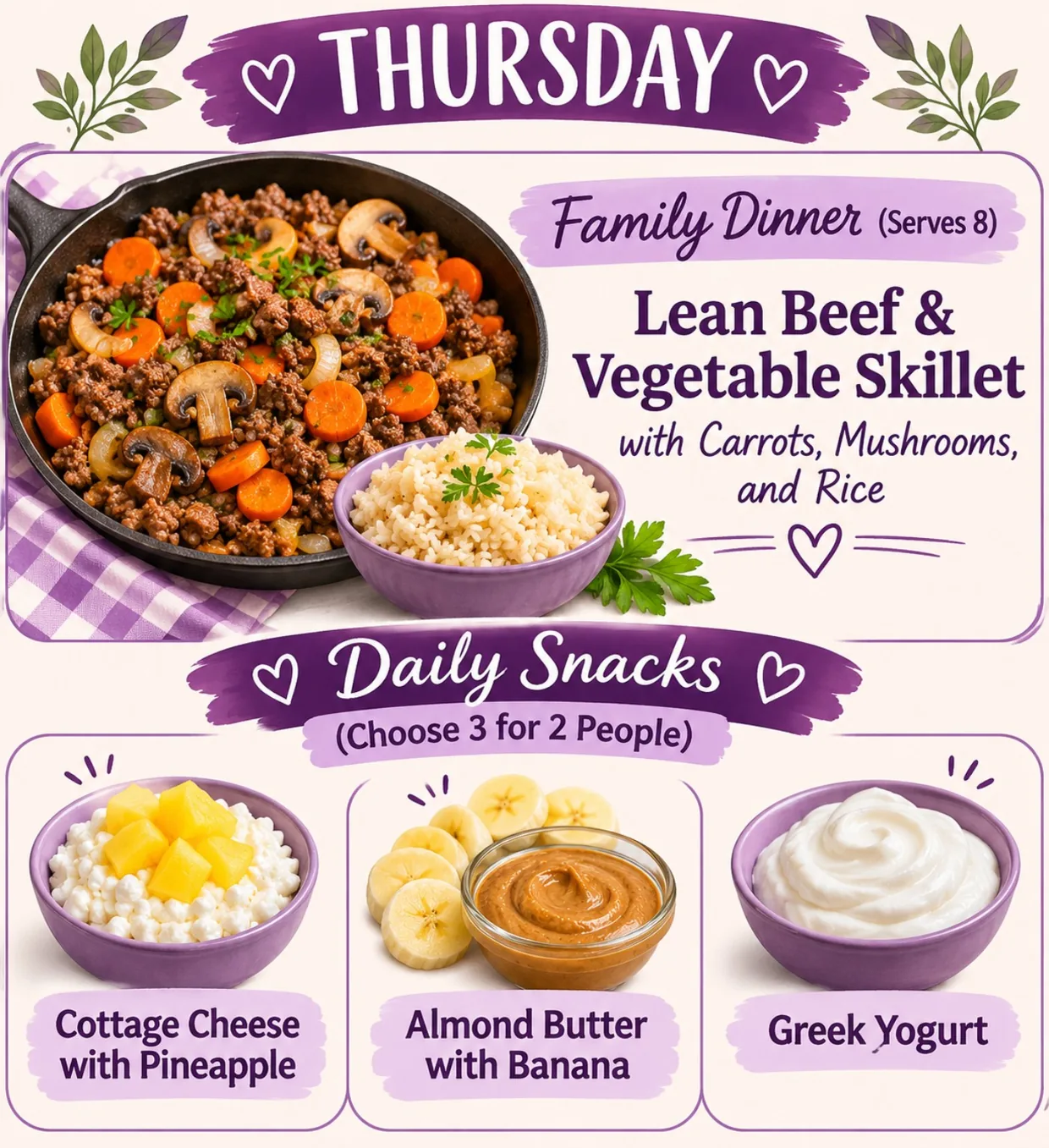
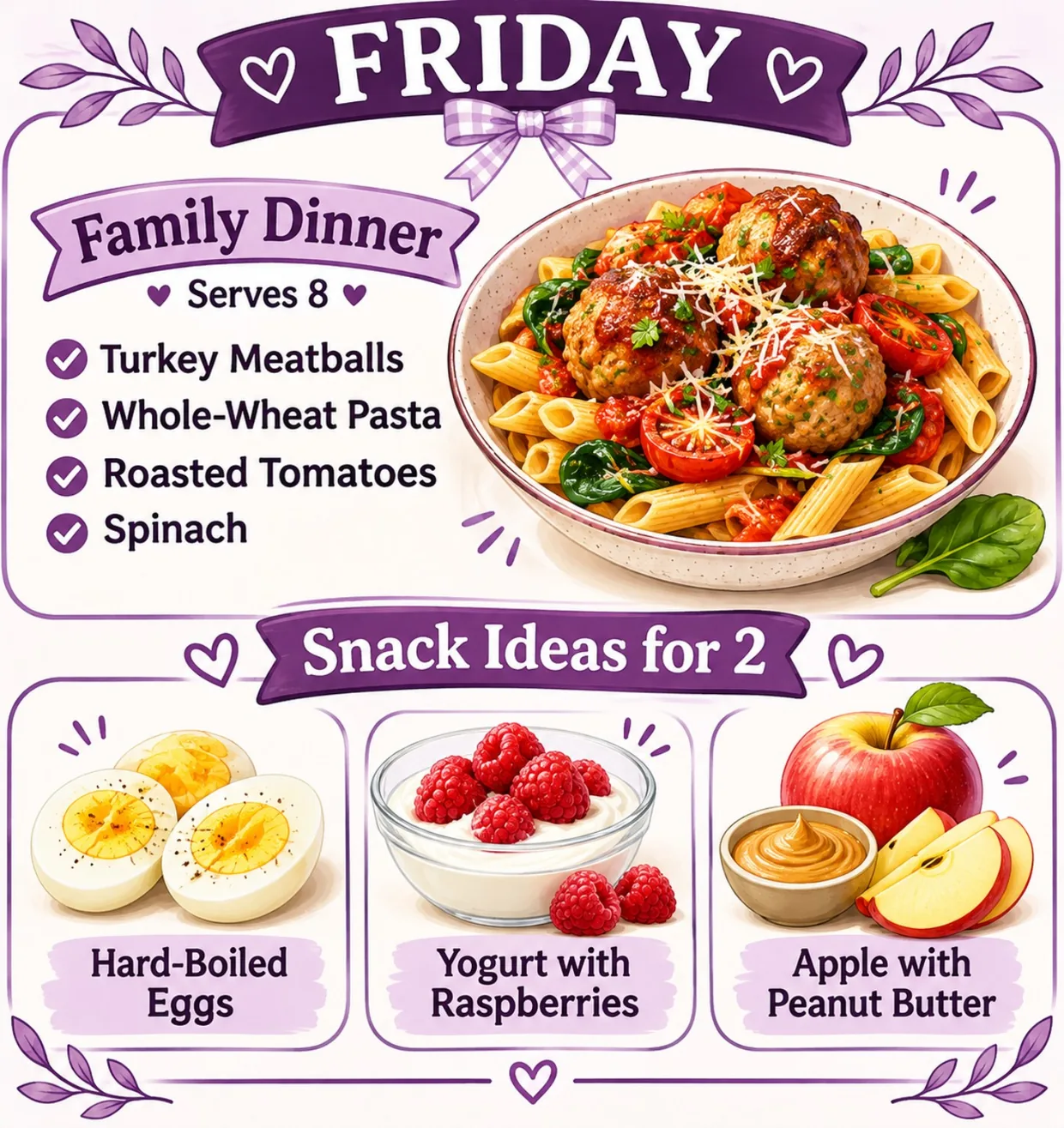
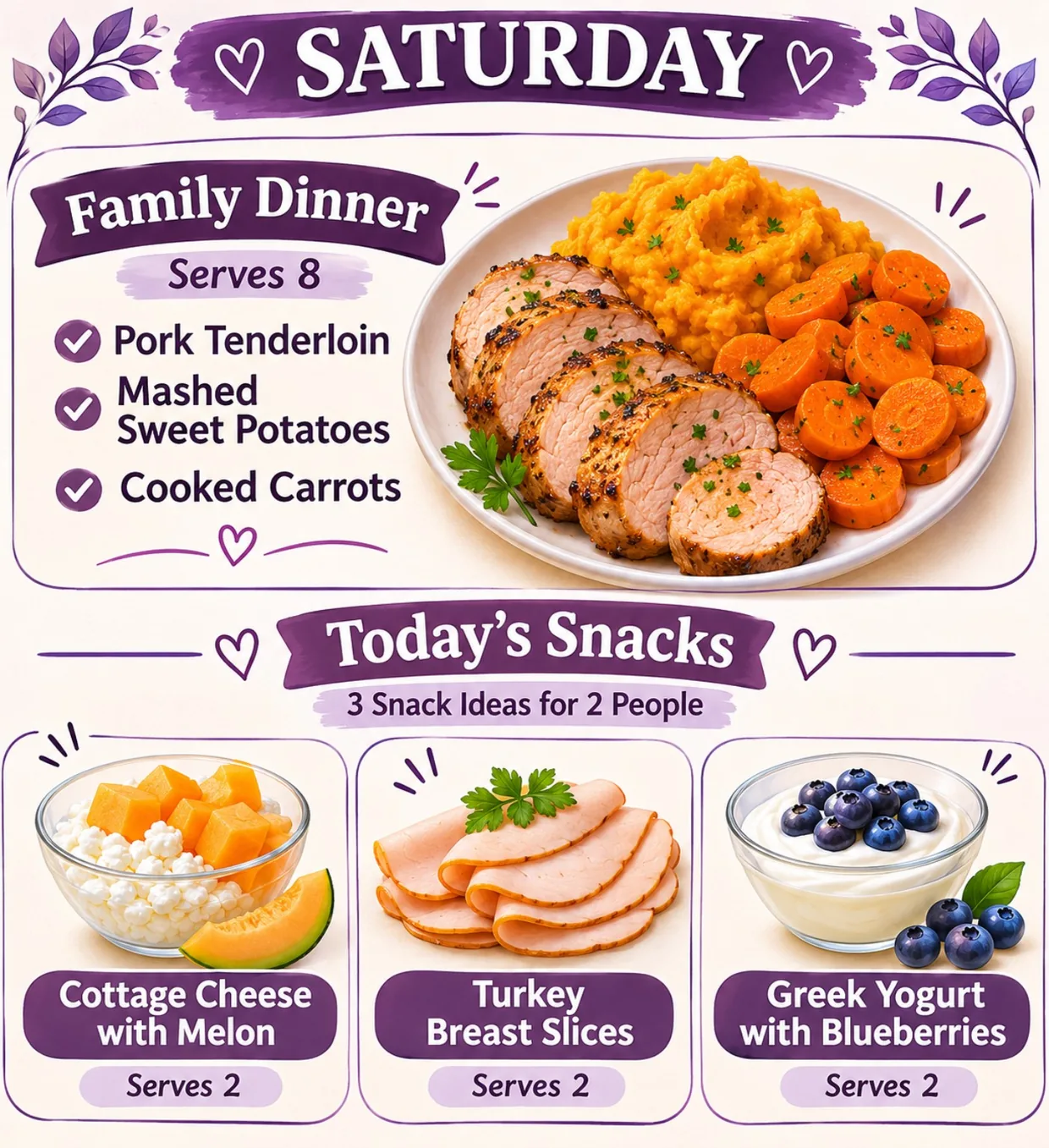
Here are my meal-planning graphics, with dinners, snack ideas, and dessert options where shown. I've put the days in Sunday-through-Saturday order, followed by the grocery list. They're part of my personal wellness journey and offer ideas you can adapt.
Dinners serve eight and snack ideas are for two. Select any graphic to open it at full size.
Sunday
Monday
Tuesday
Wednesday
Thursday
Friday
Saturday
Consolidated grocery list
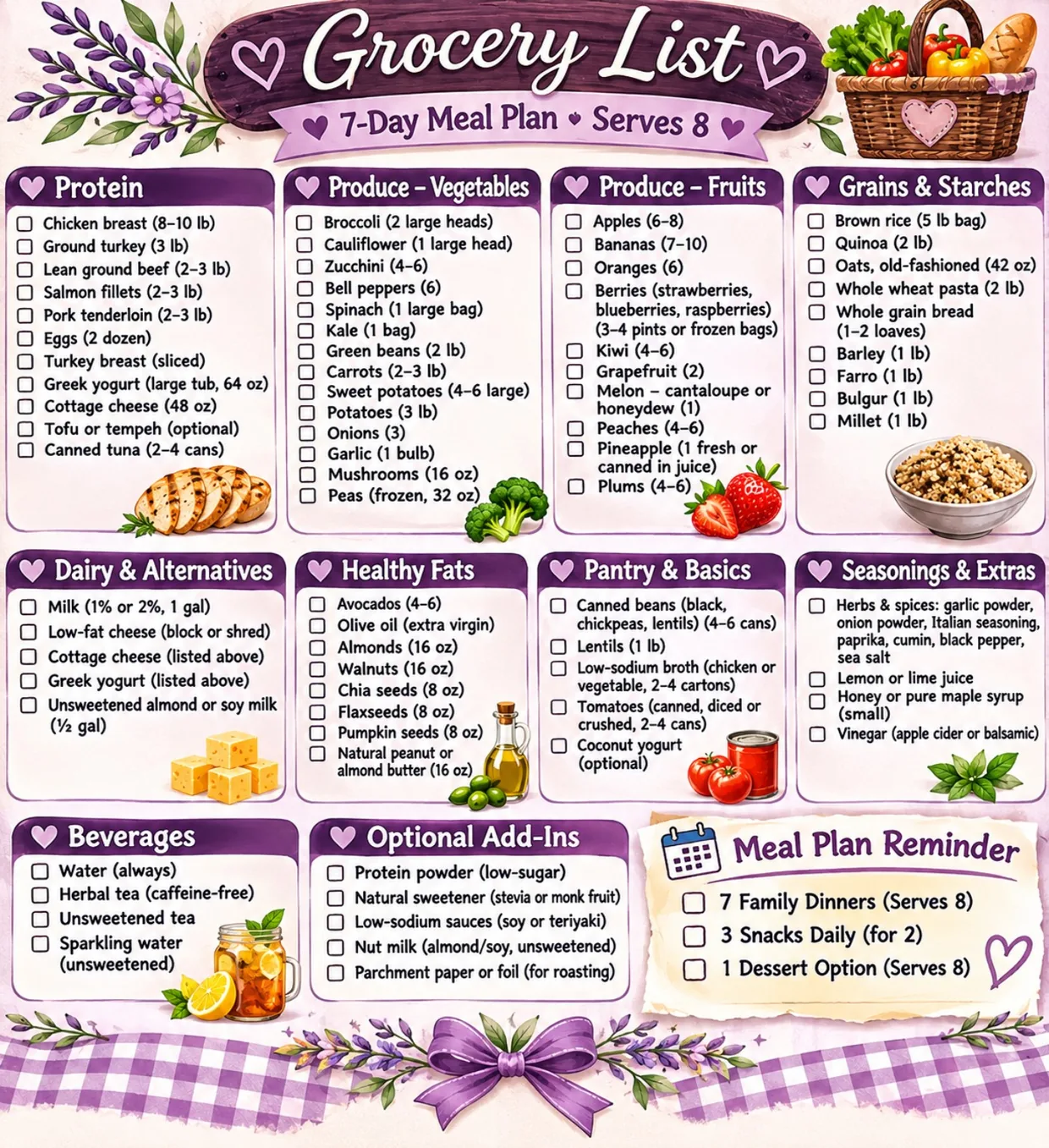
You can adapt the ideas to your household, preferences, allergies, budget, and health needs. The important part is finding a system that works for you.
🐉 Bringing Both Quests Together
At the end of the day, soft planning and healthier food habits are teaching me the same lesson. I can start with one responsibility. One checkmark. One new recipe. One small choice.
Some days I'll accomplish a lot. Other days, taking care of myself will be enough. Both kinds of days deserve compassion. I want to keep finding ways to care for myself through every season of life.
💬 Let's make this Mindful Monday interactive!
Quest One · Planning
Quest Two · Food exploration
Optional comments question. What's one food you'd like to try or learn to enjoy? It could be a vegetable, fruit, recipe, ingredient, or an entirely new cuisine.
Here's your optional challenge for the week: choose one small accomplishment to celebrate and one new food experience to explore.
No perfection required. Just curiosity, kindness, and progress.
Until our next adventure, remember: some days we conquer kingdoms. Other days we rest at the inn. Both are part of the journey.
With love,
Bella 💜
AdorabellaPixel
📚 References
- Ducrot, P., Méjean, C., Aroumougame, V., Ibanez, G., Allès, B., Kesse-Guyot, E., Hercberg, S., & Péneau, S. (2017). Meal planning is associated with food variety, diet quality and body weight status in a large sample of French adults. International Journal of Behavioral Nutrition and Physical Activity, 14(1), Article 12. https://doi.org/10.1186/s12966-017-0461-7
- Ghibellini, R., & Meier, B. (2025). Interruption, recall and resumption: A meta-analysis of the Zeigarnik and Ovsiankina effects. Humanities and Social Sciences Communications, 12, Article 962. https://doi.org/10.1057/s41599-025-05000-w
- Jacka, F. N., O’Neil, A., Opie, R., Itsiopoulos, C., Cotton, S., Mohebbi, M., Castle, D., Dash, S., Mihalopoulos, C., Chatterton, M. L., Brazionis, L., Dean, O. M., Hodge, A. M., & Berk, M. (2017). A randomised controlled trial of dietary improvement for adults with major depression (the ‘SMILES’ trial). BMC Medicine, 15(1), Article 23. https://doi.org/10.1186/s12916-017-0791-y
- Lally, P., van Jaarsveld, C. H. M., Potts, H. W. W., & Wardle, J. (2010). How are habits formed: Modelling habit formation in the real world. European Journal of Social Psychology, 40(6), 998–1009. https://doi.org/10.1002/ejsp.674
- Masicampo, E. J., & Baumeister, R. F. (2011). Consider it done! Plan making can eliminate the cognitive effects of unfulfilled goals. Journal of Personality and Social Psychology, 101(4), 667–683. https://doi.org/10.1037/a0024192
- Salamone, J. D., & Correa, M. (2012). The mysterious motivational functions of mesolimbic dopamine. Neuron, 76(3), 470–485. https://doi.org/10.1016/j.neuron.2012.10.021
- Salimpoor, V. N., Benovoy, M., Larcher, K., Dagher, A., & Zatorre, R. J. (2011). Anatomically distinct dopamine release during anticipation and experience of peak emotion to music. Nature Neuroscience, 14(2), 257–262. https://doi.org/10.1038/nn.2726
- Schultz, W., Dayan, P., & Montague, P. R. (1997). A neural substrate of prediction and reward. Science, 275(5306), 1593–1599. https://doi.org/10.1126/science.275.5306.1593
Wellness disclaimer: This article shares personal experiences and general educational information. It is not medical, nutritional, or mental health treatment advice. Individual dietary and activity needs may differ, particularly for people with chronic illnesses or a history of bariatric surgery.